
Kanji #0006
出 means “to go out”
出 means "to go out" or "to come out." You find it in 出口 (DEGUCHI), the exit sign you see at every station.
Watch: Gen and Shibamaru learn 出
The video loads from YouTube when you press play. Open on YouTube
Where 出 comes from
出 is often explained as a foot stepping out of an opening.
Stroke order (5 strokes)
- 1
- 2
- 3
- 4
- 5
Words with 出
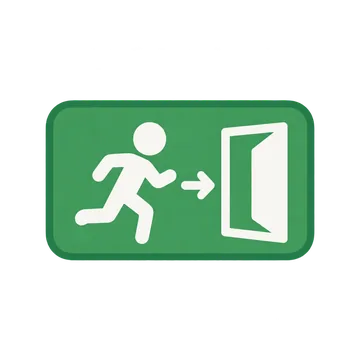
出口でぐち
DEGUCHI
exit

出るでる
DERU
to go out

出すだす
DASU
to take out
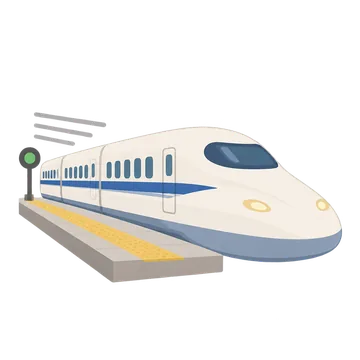
出発しゅっぱつ
SHUPPATSU
departure
The part of each word written with 出 is shown in orange. Audio: the readings from our video.
Reading tips
- 出る (DERU) means "to go out": you go out yourself. 出す (DASU) means "to take out" or "to put out" something.
- In 出発 (SHUPPATSU, departure), シュツ becomes しゅっ (SHUP): the sound gets shorter before the next sound.
- In Japan you will see 出口 on signs at stations, shops, and parking lots.
In the video
- Shibamaruどれも よく 見ることばだよYou'll see all of these.
- Genおぼえたぞ!Got them!
Example sentences
うちを 出ます。
UCHI O DEMASU.
I leave home.
かばんから 本を 出します。
KABAN KARA HON O DASHIMASU.
I take a book out of my bag.
Keep learning kanji
GENKI I Textbook (3rd Edition)
BeginnerA popular first textbook used in many university courses. Each lesson has a dialogue, grammar explanations in English, and plenty of practice.
View on AmazonMinna no Nihongo Beginner I Main Textbook (2nd Edition)
BeginnerWritten entirely in Japanese, with lots of sentence-pattern practice. Use it together with the Translation & Grammar Notes book.
View on Amazon
Stroke order data: KanjiVG © Ulrich Apel, licensed under CC BY-SA 3.0. The kanji graphics on this page are drawn from KanjiVG data (stroke width and color changed, animated) and are shared under the same license. Level: JLPT N5 is a study guide only; JLPT does not publish an official kanji list.